Kitchen and pantry
Ants and cockroaches may be associated with food residue, open packages or moisture around sinks and appliances.
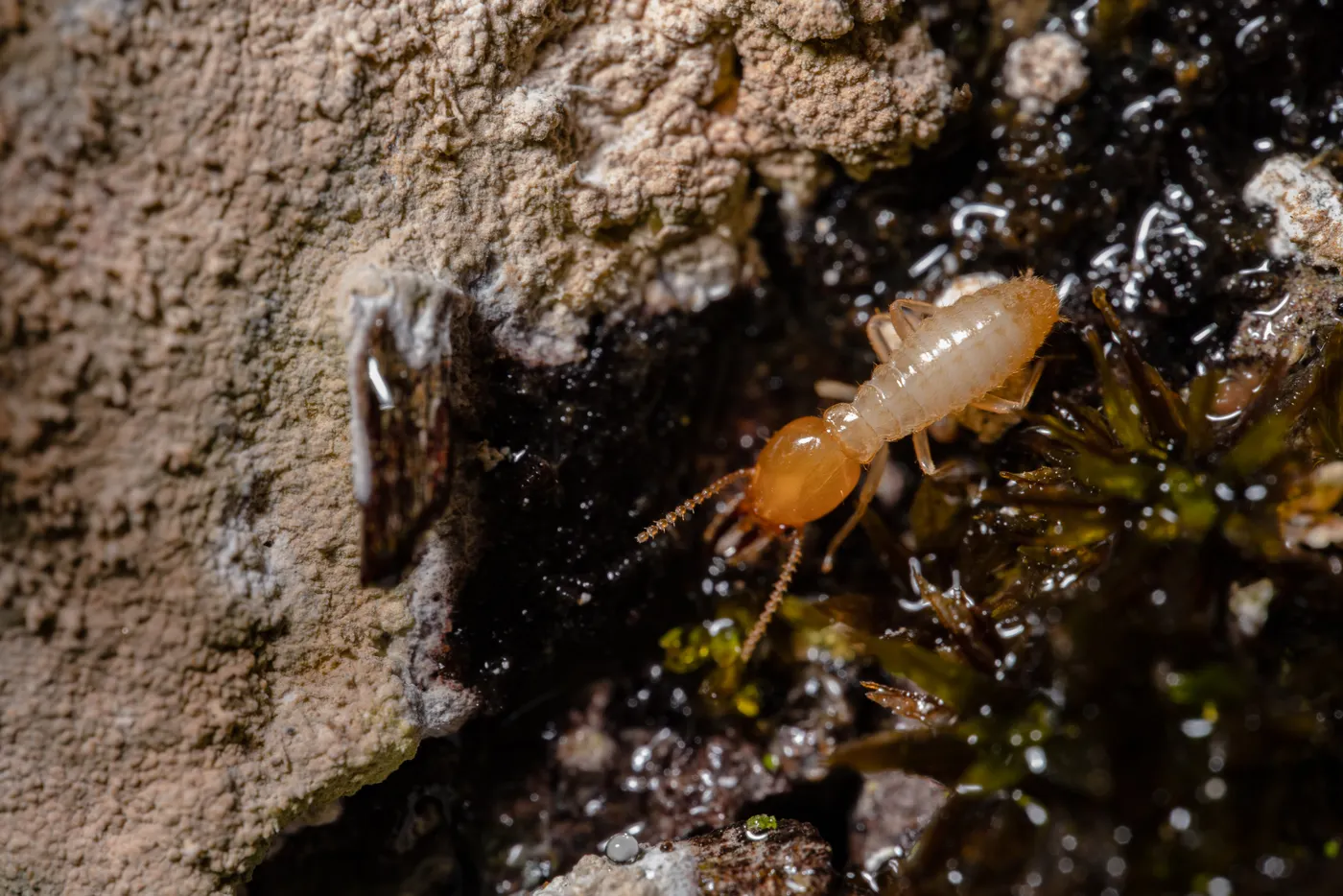
Household pest patterns vary by room: food and moisture in kitchens, fabric in closets, and shelter or entry around the home perimeter.
Call (973) 881-9563Service options depend on provider participation and location.Scope depends on the home, the service requested and the participating provider.
Ants and cockroaches may be associated with food residue, open packages or moisture around sinks and appliances.
Spiders and house crickets can appear around quiet corners, window edges and areas with easy entry or food sources.
Silverfish and clothes moths may be found around stored fabrics, paper or humid spaces that receive little airflow.
Termites, mice, earwigs, centipedes and millipedes have different entry and habitat conditions that may be considered in service planning.
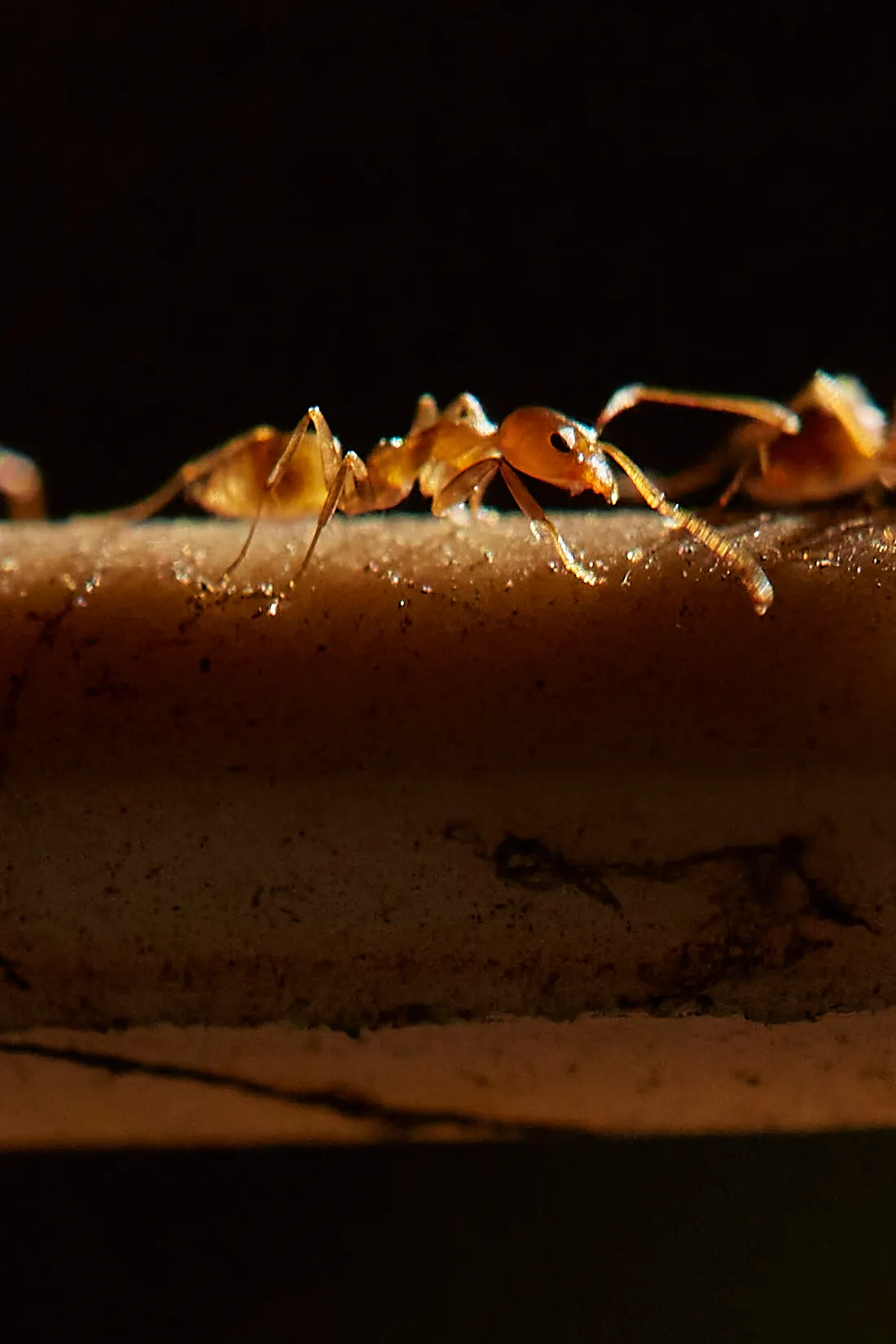
A provider may ask which room is involved and whether food, water or stored materials are nearby. These details help focus a plan on approved common household pests.
Call (973) 881-9563Store pantry goods in sealed containers and wipe crumbs from shelves, counters and appliance edges.
Dry sink areas and keep storage spaces ventilated where practical; persistent dampness can attract some household pests.
Weatherstripping and sealed gaps around doors or utility lines can reduce easy access into living spaces.
Common options may include ants, spiders, cockroaches, house crickets, mice, earwigs, silverfish, clothes moths, centipedes, millipedes and termites.
Providers may look at pest type, where activity appears, nearby moisture or food sources and practical prevention steps.
Sealed food storage, regular shelf cleaning and promptly addressing spills can help make pantry areas less inviting.